
Dec 19th 2025
Red, White, or Sparkling Wine: How to Choose the Perfect Wine for Your Holiday Feast

Holidays have a way of bringing every flavor imaginable onto the same table. You get rich roasts next to bright sides, sweet glazes beside savory herbs, and desserts that linger long after the plates are cleared. Choosing red, white, or sparkling wine becomes less about rules and more about finding bottles that help everything taste a little more balanced. Over the years, we have learned that the right pairing does not just match the food, it shapes the entire rhythm of a meal.
So here is our full guide. If you want to plan your feast with confidence and make sure every dish finds its perfect match, this is for you.
How to Choose Between Red, White, or Sparkling Wine
Holiday menus bring a mix of creamy, roasted, herbal, sweet, and savory dishes. Instead of choosing wine by color alone, focus on the structural elements that guide perfect pairings: acidity, tannin, body, sweetness, and texture.
1. Acidity: The “Brightener” in Wine
- High-acid wines (like Sauvignon Blanc, Riesling, Champagne, Gamay) refresh the palate between bites.
- They cut through fatty, creamy, or rich dishes like potato gratin, mac and cheese, buttered vegetables, and gravy-heavy plates.
- Acidity also balances sweet-tart foods like cranberry sauce.
2. Tannins: The “Protein Partner.”
- Gentle tannins pair beautifully with poultry and pork (Pinot Noir, Grenache, Beaujolais).
- High tannins (Cabernet Sauvignon, Nebbiolo) can overwhelm lean meats like turkey because they need fat/protein to soften them.
- If your dish is smoked or herb-forward, moderate tannins add structure without bitterness.
3. Body: Match the Weight of the Dish
- Light-bodied wines (Pinot Noir, Riesling, Pinot Grigio) pair with lighter dishes such as salads, herb stuffing, and white meat.
- Medium-bodied wines (Chardonnay, Chenin Blanc, Grenache) support richer items like roasted vegetables and creamy casseroles.
- Full-bodied wines (Syrah, Zinfandel, oaked Chardonnay) fit heartier roasts or spiced dishes.
4. Sweetness: Balance Spices, Salt, and Heat
- Off-dry wines (Riesling, Gewürztraminer, Moscato) balance sweetness in dishes like sweet potato casserole.
- Sweetness also works well with salty or spicy foods. For example, honey-glazed ham, spiced rubs, and cinnamon-forward sides.
- Dry wines risk tasting harsh when paired with sugary components.
5. Texture: The Secret to Effortless Pairing
- Creamy dishes want round, fuller whites (Chardonnay, Viognier).
- Crisp, lean whites bring lift to vegetable dishes and salads.
- Juicy reds with soft tannins feel seamless with turkey and pork.
- Sparkling wines bring bubbles that scrub the palate clean after every bite.
6. Sparkling Wines: The Universal Problem Solver
- Champagne, Prosecco, and Crémant are incredibly food-friendly.
- Acidity with bubbles is perfect with fried foods, appetizers, salty snacks, turkey, and even dessert.
- Sparkling wines handle diverse menus better than almost any other category.
Rather than choosing wine by its color, choose by structure and texture. Once you match the wine’s weight, acidity, and tannin level to the food, picking between red, white, or sparkling becomes simple.
The Case for Red Wines at the Holiday Table
From bright cranberry tones to deep, warming spice, red wines bring flavors that echo the season and elevate every plate they touch.
Pinot Noir
Pinot noir remains one of our favorite holiday wines because it pairs with so many dishes without ever overwhelming them. Its bright cherry notes, gentle earthiness, and soft tannins feel natural beside turkey, stuffing, and roasted vegetables. When someone wants one red wine that can pass across almost every plate, we usually start here. It has lift, character, and an easygoing structure that fits classic holiday flavors.
Zinfandel
Zinfandel brings warmth and fruit, which makes it perfect for sweeter or spiced dishes. Honey-glazed ham, cranberry sauces, and roasted squash all match well with its ripe profile. We often recommend it when the meal leans toward bold seasoning because the wine’s personality meets those flavors with comfort and ease.
Cabernet Franc
Cabernet Franc offers a herbal, medium-bodied style that feels right with roasted beef, lamb, and winter vegetables. When the table leans savory, this grape tends to connect with those flavors beautifully. You can reach for Cabernet Franc when a guest wants structure without heaviness.
Syrah
Syrah suits richer meats and charred preparations. Its darker fruit, pepper notes, and fuller texture settle naturally beside prime rib, short ribs, or grilled dishes. We use Syrah when we want a red wine with enough depth to carry the meal forward.
To explore red wines for the season, you can browse our red wine section at WHWC.
The Case for White Wines at the Holiday Table
White wines earn their place at the holiday table because their brightness, freshness, and balance complement dishes that heavier reds can overwhelm.
Chardonnay
Chardonnay’s creamy texture makes it a natural companion for mashed potatoes, gravies, casseroles, and roast chicken. It mirrors richness without adding weight. We often say that Chardonnay speaks the same language as buttery holiday dishes. If the menu leans creamy, this wine never feels out of place.
Riesling
Riesling may be the most adaptable white wine for holiday meals. Dry styles brighten salty sides and herbal dishes. Off dry versions match with sweet potatoes, honey-glazed ham, or cranberry sauces. Riesling’s balance of acidity and gentle sweetness makes it easy to pair across the entire table.
Sauvignon Blanc
Sauvignon Blanc shines with green vegetables, fresh herbs, and lighter starters. When the spread includes asparagus, green bean casseroles, or lemon-driven dishes, this wine keeps everything lively.
Pinot Gris or Pinot Grigio
For appetizers, seafood, and lighter snacks, Pinot Grigio offers a refreshing first pour. We often serve it as guests arrive because it wakes up the palate without demanding attention.
If you are choosing whites for the season, browse our white wine section at WHWC.
Sparkling Wine: The Secret Weapon for Any Feast
If there’s one style that can move from appetizers to dessert without missing a beat, it’s sparkling wine.
Champagne
Champagne is stunningly versatile. It works with brunch, appetizers, mains, and even some desserts. The crisp acidity and bubbles clear the palate between bites, making heavier dishes feel lighter. We always recommend Champagne for Christmas brunch because it settles beautifully beside pastries, eggs, smoked salmon, and richer morning plates.
Prosecco
Prosecco is bright, fruity, and incredibly crowd-friendly. It pairs with cheese boards, appetizers, and easygoing holiday dishes. This is the bottle we bring when the gathering is casual, and we want something joyful to open at the start of the meal.
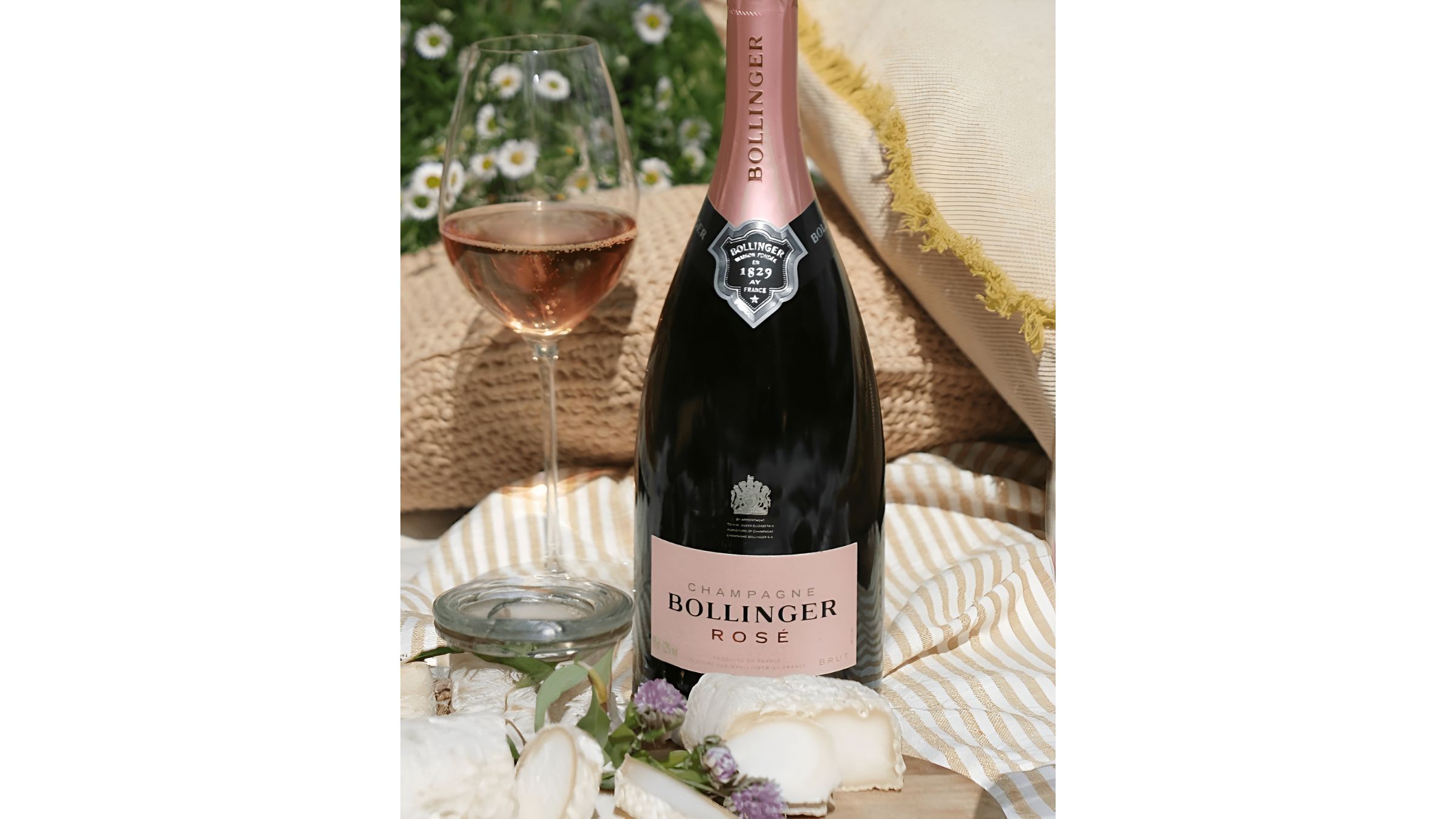
Sparkling Rosé
Sparkling rosé has a bit more structure and fruit, which makes it wonderful with turkey, ham, and charcuterie boards. It tastes festive without being demanding, and its color brings a little celebration to the table.
Explore the sparkling wine collection at Woodland Hills Wine Company.
Course by Course: Choosing Red, White, or Sparkling Wine
Let’s now walk through the various wines to match at various stages in your holiday meal.
Appetizers
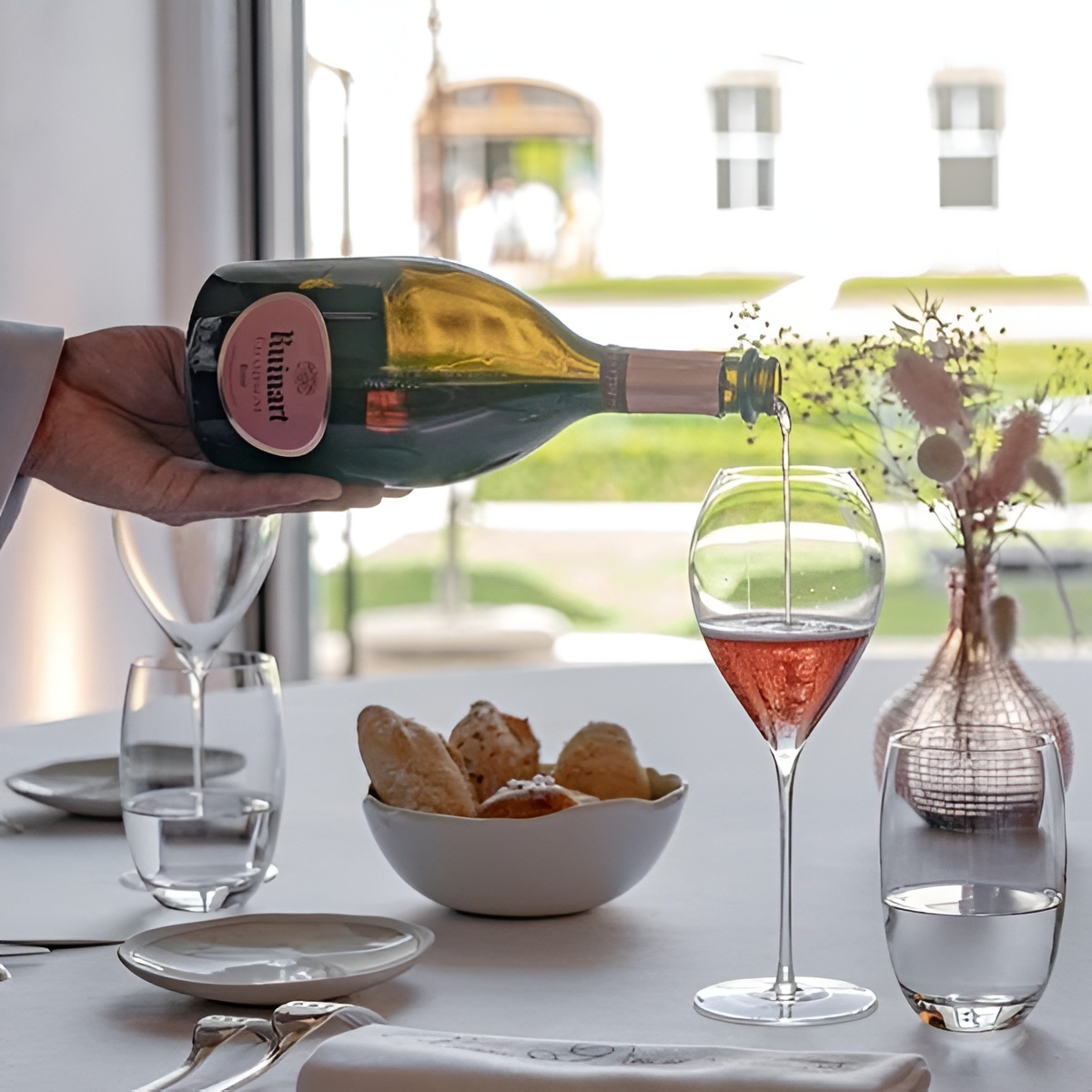
We like to begin with sparkling wine because it feels celebratory and clears the palate. Sauvignon Blanc or light rosé also works well when your appetizers include herbs, fresh vegetables, or simple spreads.
Main Courses
- Turkey: Pinot noir or dry Riesling
- Beef roast: Syrah or Cabernet Franc
- Honey-glazed ham: Zinfandel or off-dry Riesling
These pairings bring balance rather than dominance. We remind people that the main course sets the tone for the entire meal, and choosing red, white, or sparkling wine that matches the dish’s texture keeps everything cohesive.
Creamy Sides
Mac and cheese, gratins, and mashed potatoes feel best with Chardonnay or a fuller-bodied white. The brightness in Chardonnay helps keep each bite lively.
Desserts
Apple pie pairs with Moscato or Ice Wine. Chocolate desserts prefer Tawny Port or Madeira. These wines enhance dessert flavors without overwhelming sweetness.
Also, a few serving choices make a noticeable difference. Sparkling wines should be well chilled, whites should be cool but never icy, and reds show their best character when served slightly below room temperature.
These small adjustments help each bottle express its texture, acidity, and aromatics with clarity.
How to Build a Balanced Holiday Wine Menu
A well-chosen wine menu doesn’t need to be complicated. We often build holiday pairings around a simple, reliable trio: one sparkling wine, one white, and one red. This combination effortlessly supports almost every classic dish.
A balanced holiday wine menu isn’t about rules. It’s about giving each dish a wine that allows the meal to shine. When the wine feels lively and harmonious, the entire table feels that way too.
Explore WHWC’s most popular sparkling, white, and red collections to build a holiday lineup that moves seamlessly from appetizers to dessert, one thoughtful pour at a time.