
Jan 29th 2026
What’s in Your Glass? Predicting Wine Styles That Will Dominate 2026
Wine drinkers are becoming more intentional. Instead of chasing trends for novelty, people are choosing wines that feel reliable, expressive, and easy to pair with food. Retail shelves already show the direction things are heading, and if current buying patterns are any indication, 2026 will be defined by balance, heritage, and place-driven wines rather than flashy extremes.
Based on the wines gaining visibility today, here are the wine styles most likely to dominate 2026, along with the popular wines and best wine varietals shaping the future.
Old World Wines Still Set the Standard
Despite constant innovation in wine, Old World regions remain the backbone of global demand. Wines from Rioja, Brunello di Montalcino, and Taurasi continue to earn strong scores, be available in multiple vintages on shelves, and enjoy consistent customer loyalty.
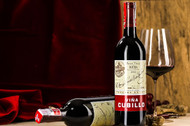
Rioja Reservas such as López de Heredia Viña Tondonia and Muga Rioja Reserva demonstrate why traditional winemaking still matters. These wines offer structure without excess weight, evolve gracefully with age, and pair naturally with food.
Brunello di Montalcino from producers like Altesino and Banfi shows similar staying power, delivering depth, acidity, and longevity without chasing trends.
By 2026, these styles will remain popular not because they are familiar, but because they are dependable. Drinkers know what they are getting, and that confidence drives repeat purchases.

Champagne Is Becoming an Everyday Wine Style
Champagne has quietly shifted from a special-occasion drink to an everyday luxury. The presence of multiple Brut, Rosé, Blanc de Blancs, and oak-influenced styles points to year-round demand.
Non-vintage Brut Champagne from houses like Ayala and Heidsieck continues to anchor the category, while bottles such as Billecart-Salmon Brut Rosé and Blanc de Blancs show that buyers are exploring beyond the basics. These wines are crisp, versatile, and food-friendly, which makes them suitable for far more than celebrations.
In 2026, Champagne will be less about moments and more about meals. Consumers are choosing quality sparkling wine as a regular part of dining rather than an occasional splurge.

López de Heredia Rioja Viña Tondonia Reserva 2010
Tempranillo/Tinto Fino from Rioja, Spain


Billecart-Salmon Brut Rosé Champagne NV
Non-Vintage Rosé Sparkling Wine from Vallée de la Marne, Champagne, France
Fresh White Wines Are Leading Everyday Drinking
One of the clearest trends is the rise of whites that emphasize acidity, freshness, and drinkability. Albariño, Riesling, Sauvignon Blanc, and restrained Chardonnay styles are winning shelf space and attention.
La Caña Albariño from Rías Baixas reflects the appeal of coastal whites with saline notes and bright citrus character. Rieslings like Schaefer Willi Graacher Feinherb offer gentle sweetness balanced by acidity, making them approachable without being heavy.
Marlborough Sauvignon Blanc continues to thrive due to its clarity and freshness, while Santa Barbara and Russian River Chardonnays are increasingly leaner and more precise.
These wines suit modern eating habits. They pair well with lighter foods, global cuisines, and casual meals. By 2026, these whites will be some of the most popular wines among everyday drinkers.

Ramey Chardonnay Russian River Valley 2023
Chardonnay from Russian River Valley, Sonoma County, California

Dog Point Sauvignon Blanc Marlborough 2023
Sauvignon Blanc from Marlborough, New Zealand

Diatom Chardonnay Santa Barbara County 2024
Chardonnay from Santa Barbara County, Central Coast, California
Reds That Tell You Where They’re From
As wine education improves, more drinkers are moving beyond generic varietals and seeking wines that reflect place. This shift favors terroir-driven reds made with intention rather than scale.
Cabernet Franc from Chinon, such as Baudry Bernard Les Grézeaux, offers freshness and structure without heaviness. Nebbiolo from Langhe provides complexity at a more approachable level than Barolo. Burgundy from Savigny-lès-Beaune, whether from Pavelot or Bize, shows how vineyard character and vintage matter as much as grape variety.
Syrah from specific sites, like Story of Soil’s Ballard Canyon bottling, further reflects this trend. These wines may not dominate in volume, but they will shape conversations, education, and credibility in wine retail and restaurants through 2026.
Trusted New World Wines at the Top End
While exploration is growing, buyers still rely on reference-point wines when making higher-priced decisions. Napa Valley Cabernet Sauvignon, Willamette Valley Pinot Noir, and structured Spanish reds from Ribera del Duero continue to fill that role.
Wines such as Spottswoode Cabernet Sauvignon, Beaux Frères Pinot Noir, Aalto, Alión, and Francisco Barona Ribera del Duero represent consistency, craftsmanship, and trust. These bottles reassure buyers that quality is guaranteed, even when they experiment with other selections.
In 2026, these wines will remain important not because they are trendy, but because they anchor portfolios and set benchmarks for excellence.

Story of Soil Syrah Ballard Canyon Larner Vineyard 2022
Syrah/Shiraz from Ballard Canyon, Central Coast, California

Pavelot Savigny-lès-Beaune 1er cru La Dominode 2017
Pinot Noir from Savigny-lès-Beaune, Côtes de Beaune, Burgundy, France

Millot/Jean-Marc Savigny-lès-Beaune 2023
Pinot Noir from Savigny-lès-Beaune, Côtes de Beaune, Burgundy, France
Rosé and Lighter Reds Are Here Year-Round
Rosé is no longer seasonal, especially when it comes to serious styles like Bandol Rosé from Tempier. These wines offer structure, minerality, and versatility that work well beyond summer.
Lighter reds such as Morgon Côte du Py from Foillard also fit this shift. With moderate alcohol and bright acidity, these wines suit everyday drinking without sacrificing depth. They align well with casual dining and changing consumer preferences.
By 2026, expect rosé and lighter reds to hold steady shelf space all year rather than cycling in and out seasonally.
Choosing Wine Styles for 2026 at WHWC
At Woodland Hills Wine Company (WHWC), we see these shifts in wine preferences every day. The future of wine is about balance, trust, and a strong sense of place. The wine styles gaining momentum as we head into 2026 are the ones that feel thoughtful and food-friendly, wines that tell a clear story and deliver quality without excess.
Old World classics, Champagne, fresh and vibrant whites, terroir-driven reds, and premium benchmark bottles are not just current favorites. They reflect where wine culture is headed next.
Whether you are planning a special dinner or simply stocking your cellar with wines you love to drink in 2026, you can explore all of these styles at Woodland Hills Wine Company. Our selection is built to help you discover wines that fit the moment, the meal, and your personal taste, today and well into the years ahead.