
Feb 13th 2026
The Perfect Wine for Every Cheese: A Sommelier’s Pairing Secrets

Wine and cheese have a way of slowing people down. Someone sets out a board, pours a glass, and suddenly the room softens a little. Conversations linger. Plates stop clinking. It feels timeless, even familiar. Still, pairing wine and cheese can feel intimidating at first, as if there's a right answer you might miss.
The truth is simpler than it sounds. When the wine and the cheese meet each other halfway, everything feels easier. This blog is here to help you pair wine and cheese with confidence, whether you are putting together a casual board or hosting something more intentional.
Below, we walk through how to think about wine and cheese pairings in a way that feels natural, flexible, and genuinely enjoyable.
The Basics of Wine and Cheese Pairing
Wine and cheese share more in common than most people expect. Both carry fat, acidity, salt, and texture. When they meet, those elements interact in ways that can either feel harmonious or slightly off.
Balance matters more than perfection, and instead of searching for an ideal match, it often helps to focus on matching intensity. Light cheeses tend to feel better with lighter wines. Richer cheeses usually need wines with more structure to keep up.
Keeping the language simple helps, because balanced wine and cheese allow each other to shine without taking over the moment.
Fresh Cheeses and Bright, Crisp Wines
Fresh cheeses are delicate and clean. They carry a gentle tang and soft texture, which means they shine beside wines that feel equally fresh.
Fresh goat cheese, ricotta, mozzarella, and burrata all benefit from high acidity. Wines like Sauvignon Blanc, Albariño, dry Riesling, and light sparkling styles keep these cheeses feeling lively rather than flat.
Freshness is the key here. When both the wine and the cheese feel light on their feet, the pairing stays clean and refreshing. This is where many people first fall in love with wine and cheese pairings because nothing feels forced.
Soft and Bloomy Cheeses Pair Best with Balanced Whites and Light Reds
Soft cheeses like Brie, Camembert, and triple-cream varieties bring richness without sharpness. They melt easily on the palate, which means overly oaked or heavy wines can overwhelm them.
Balanced whites, such as restrained Chardonnay or Champagne, tend to work beautifully. Light Pinot Noir can also pair well when the wine stays gentle and fresh.
Texture matters more than bold flavor here. When the wine matches the softness of the cheese, the pairing feels seamless and calm.
Semi-Soft and Washed-Rind Cheeses: Finding the Middle Ground
Semi-soft cheeses like Gruyère, Fontina, Taleggio, and Havarti sit comfortably between fresh and aged styles. They bring savory notes and a little more weight.
These cheeses need wines with structure but not heaviness. Chardonnay, Chenin Blanc, and lighter Rhône reds often strike that balance. Savory flavors in the wine tend to echo the cheese rather than compete with it.
This middle ground is where pairing starts to feel intuitive. The wine complements the cheese without dominating it.

Adaptation (Odette) Cabernet Sauvignon Napa Valley 2019
Cabernet Sauvignon from Napa Valley, California

Dugat-Py Charmes-Chambertin Grand Cru 2017
Pinot Noir from Gevrey-Chambertin, Côte de Nuits, Burgundy, France

Hard and Aged Cheeses Call for Depth and Structure
Hard cheeses tell a different story. Parmesan, Manchego, aged Cheddar, and Pecorino carry salt, concentration, and umami. They ask for wines that can meet that intensity.
Structured reds like Rioja, Nebbiolo, and Cabernet Sauvignon often work well here. The salt in aged cheese changes how wine tastes, softening tannins and bringing out depth.
This is where wine and cheese pairings start to feel bold without feeling heavy. When the structure aligns, both elements open up.
Blue Cheeses and Sweet Wines: A Classic Contrast
Blue cheeses like Roquefort, Gorgonzola, and Stilton are inherently intense. Salt, tang, and richness all show up at once. Subtle wines rarely stand a chance.
Sweet wines and late harvest styles balance that intensity beautifully. The sweetness offsets the salt, creating contrast rather than competition. Fortified wines also work well here.
This pairing reminds us that contrast can feel more satisfying than subtlety when flavors are bold.
Wine for Charcuterie Boards: Pairing Wine with Mixed Cheeses and Meats
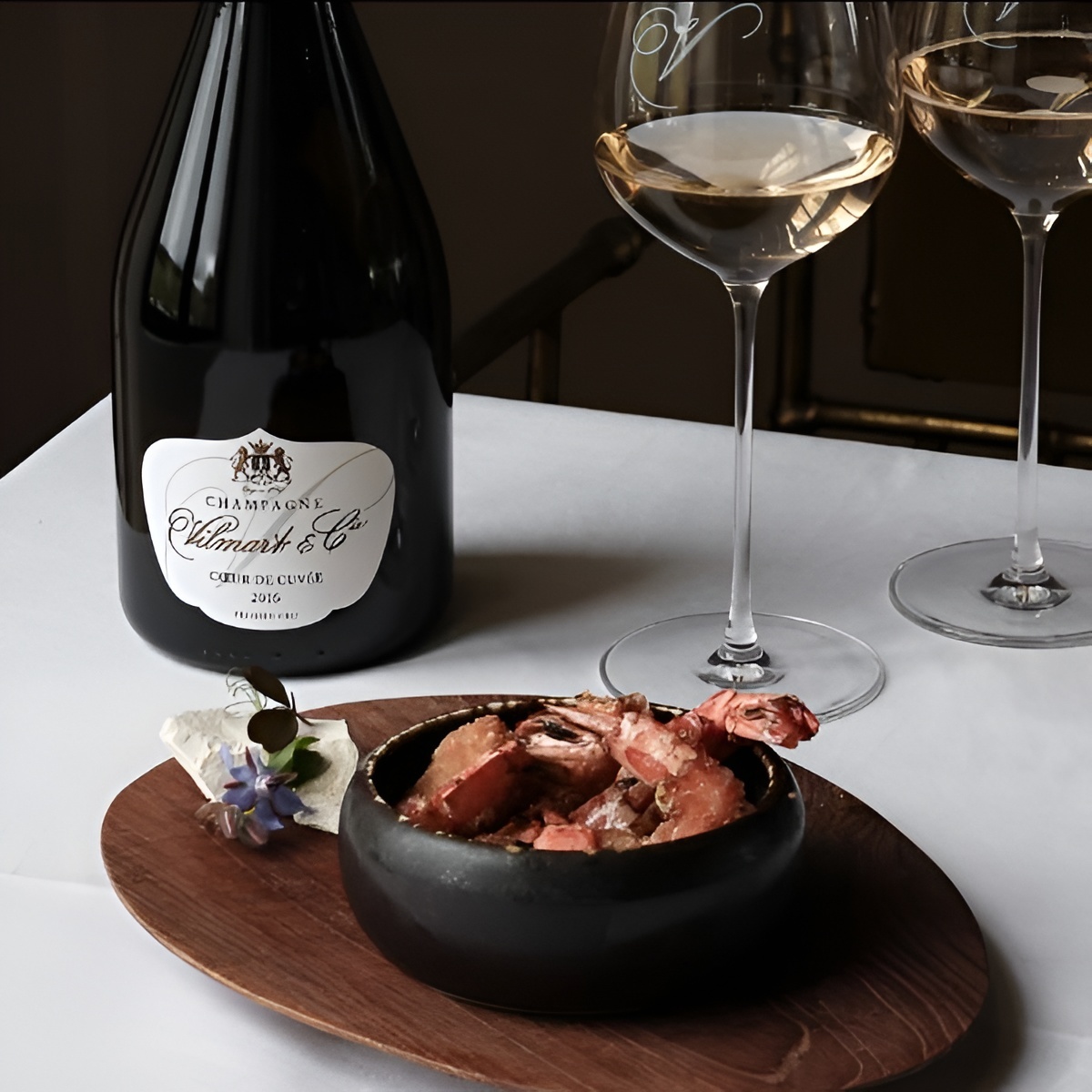
Charcuterie boards are wonderfully unpredictable. Different cheeses, cured meats, fruit, and nuts all land on the same plate. Choosing wine for charcuterie means thinking about versatility.
Sparkling wine often solves most problems. The acidity and bubbles handle fat, salt, and variety with ease. Medium-bodied reds and textured whites also work well when the board leans savory.
When in doubt, choosing one or two wines that move easily across the board keeps things relaxed. Wine for charcuterie should feel flexible, not demanding.
Common Wine and Cheese Pairing Mistakes to Avoid
Some mistakes show up often. Pairing bold wine with delicate cheese usually overwhelms the plate. Serving wine too warm or too cold can dull flavors quickly.
Ignoring acidity is another common issue. Acidity keeps pairings lively. Expensive wine does not automatically mean a better pairing. Balance matters far more than price.
Keeping these things in mind helps wine-and-cheese pairings feel natural rather than forced.
Building a Wine and Cheese Board with Confidence
Putting together a wine and cheese board does not need to feel complicated. A simple structure creates variety without pressure and gives everyone something to enjoy.
- Start with three cheese styles. One fresh, one soft, and one aged. This mix offers contrast in texture and flavor while keeping the board approachable.
- Choose two wines to cover the range, one white and one red. This gives guests options without overwhelming the table.
- For casual gatherings, look for wines and cheeses that feel familiar and easy to enjoy, rather than bold or intense.
- For formal occasions, you can add depth by pairing with an aged cheese or a more structured wine.
Focus on variety, not perfection. Wine and cheese are meant to invite conversation and discovery, not put anyone on the spot.
At Woodland Hills Wine Company, this same idea of balance guides how we curate our wines. Our selection focuses on food-friendly bottles that pair well across many cheese styles, making it easy to build a board with confidence.
You can browse our wide range of wines online to find options that work beautifully for both casual and elevated settings, explore trending selections, or dig into pairing-focused reads in our wine blog.
However you choose, the goal is simple: wines that make hosting feel effortless and enjoyable.
FAQs About Wine and Cheese Pairings
What wine goes best with cheese?
There is no single answer. Wines with good acidity tend to work across many styles.
Is red or white wine better with cheese?
Both work. It depends more on the cheese than the color of the wine.
What is the best wine for a charcuterie board?
Sparkling wine is often the most versatile choice.
Do wine and cheese need to come from the same region?
No. Balance matters more than origin.
Pairing Wine and Cheese Should Feel Effortless
Wine and cheese pairings work best when they feel relaxed. The goal is enjoyment, not perfection. When you stay curious and trust your palate, the combinations start to make sense on their own.
We see pairing as a shared experience, one that invites exploration without pressure. With thoughtful choices and an open mind, wine and cheese can quietly elevate any gathering, one comfortable bite and sip at a time.
Explore Woodland Hills Wine Company’s most popular wine collection to pair with your cheese board now.