
Jan 20th 2026
Sicilian Wines: How Ancient Grapes Are Reshaping Modern Italian Wine
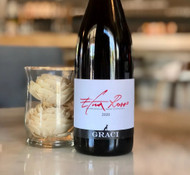
Sicily is a big island located in the south of Italy. It is reputed to have excellent sunlit beaches and a cool sea breeze, and people have long considered it a vacation destination. However, this is no longer the case; Sicily has become popular because of its wines. The popularity of Sicilian wines has been brought about by their unsurpassed flavour and aroma. There is a lot of appreciation for the wines produced here among collectors and enthusiasts.
Sicily has ancient vineyards, fertile soils, and a wide variety of indigenous grapes that have pushed the region to the forefront of modern Italian wine. At Woodland Hills Wine Company, we see more people asking for the island’s bottles each year, and we are here to ensure this demand is not left unanswered. In this blog, let’s explore more about Sicilian wine.
The Island That Shapes the Wine: Sicily’s Unique Terroir
There is a reason why wines produced in Sicily stand out: Sicily has the right climatic conditions and soil to ensure that the grapes produced here are of superior quality, leading to a perceivable difference in the wines.
Climate and Geography
The island’s climate is ideal for the production of wines. They have 2 benefits: firstly, the sea winds keep the vineyards cool and make the grapes more aromatic, and secondly, the island's slopes help preserve the acidity of the grapes.
Together, these effects ensure that the fruit and the fermentation are unmatched, making great wine.
Volcanic Influence: Mount Etna
Mount Etna is also the reason for such traits in Sicilian wines. The volcanic soil around Mount Etna helps the grapes grown there pick up depth and minerality.
The other reason, apart from the soil, is altitude; vineyards across Etna are at higher altitudes than normal, where cooler temperatures slow grape ripening and have been proven to enhance the natural aromas of the grapes.
That longer hang time builds depth of flavor in the fruit without inducing rot. It is one reason Etna has become the driving force behind the rise of Sicilian wines.
Ancient Grapes That Define Sicilian Wines
Let's take a look at the top Sicilian Wins:
1. Nero d'Avola: Sicily’s Bold Red
It is the most renowned indigenous grape. It is like a cross between dark cherry and plum, but with warm spices, most notably tobacco. Some bottles stay juicy and lifted while others lean into a fuller, more structured profile. It works with roasted meats or anything built around Mediterranean herbs.
2. Nerello Mascalese: The Heart of Etna Rosso
These grapes are one of the lighter varieties. The mountain air gives it acidity, and the volcanic soil makes it smoky and ideal for making red wines.
3. Carricante and Catarratto
These are varieties of white grapes that are grown on the northern slopes of Etna. They have a unique, bright,t and citrus flavour and therefore result in crisp white wines.
4. Grillo and Zibibbo
These two are the unsung heroes of Italian winemaking. Grillo tastes lively and aromatic. Zibibbo brings the raw material for sweet Passito styles that feel luscious without going flat.
You can explore Sicilian wines at Woodland Hills Wine Company. If you drop by our Los Angeles store, we would be happy to help you pick the right one for your taste.
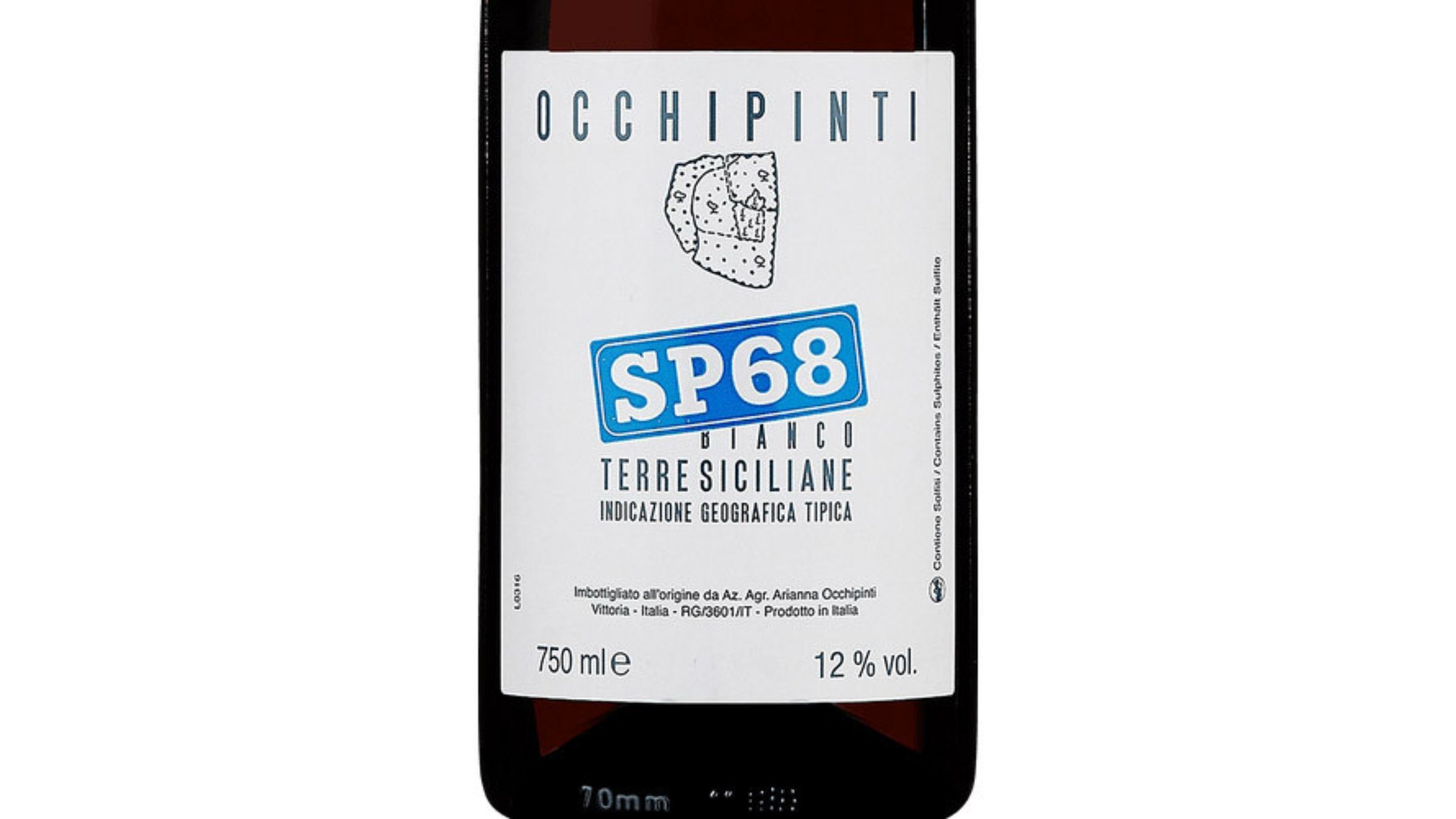
What Sicilian Wines Taste Like
Sicilian wines reflect the island’s dramatic landscape, blending Mediterranean warmth with volcanic freshness to create styles that feel both bold and balanced.
Red Wines
You usually get dark fruit, a touch of wild herbs, and that faint volcanic smoke that shows up after a swirl. The warm climate adds weight, but the acidity stays surprisingly fresh, so the wines never feel heavy.
White Wines
White wines from Sicily are fresh and acidic. They are known for their aromatic floral notes. These are further enhanced by the obvious minerality in the first sip itself. The Whites from Sicily go extremely well with seafood.
Sweet Wines
Sicily is an island that is blessed with a massive production of natural fruits. Wineries use fruits such as apricots, candied peel, and honey to add a sweet, smooth mouthfeel to wines. One such wine is the passito style, particularly those of Pantelleria. Sweet wines are also good ageing wines; the longer they are kept in a cask, the better they are.
Across red, white, and sweet expressions, Sicilian wines offer clarity, energy, and a strong sense of place, making them as compelling at the table as they are in the glass.
Why Sicilian Wines Are Reshaping Modern Italian Wine
Indigenous grapes are back at the center of the conversation. New generation winemakers combine tradition with careful technique. Etna now draws comparisons to Burgundy in terms of complexity and age potential.
Values stay strong across the island, which is another reason everyday drinkers reach for Sicilian wines. Sustainability remains a priority, too, and the island’s climate supports that shift naturally.
Perfect Food Pairings for Sicilian Wines
Let’s take a look at what pairs well with the Sicilian wines below:
- For Nero d'Avola: Earthy dishes work really well - Dishes such as Lasagna or roasted lamb are great. Mushrooms can be another great option for vegetarians.
- For Etna Rosso: Tuna and steak work very well. Chicken roasted with herbs would also be a great pairing option.
- Sicilian Whites: These work great with seafood.
- Sweet Zibibbo or Passito: They pair well with desserts, especially almond pastries, owing to their fruity notes.
You can explore some more wine varieties at our weekly new arrivals.
FAQ About Sicilian Wines
What are the wines of Sicily known for?
A: The wines that are produced in Sicily are aromatic and vibrant.
Are Sicilian wines full-bodied?
A: Sicilian wines come in all types, from light to full-bodied.
What does Nero d’Avola taste like?
A: It tastes like a mix of dark cherry and plum, except that it also feels spic.
What is Etna Rosso similar to?
A: Etna Rosso can be called a cousin of Pinot Noir.
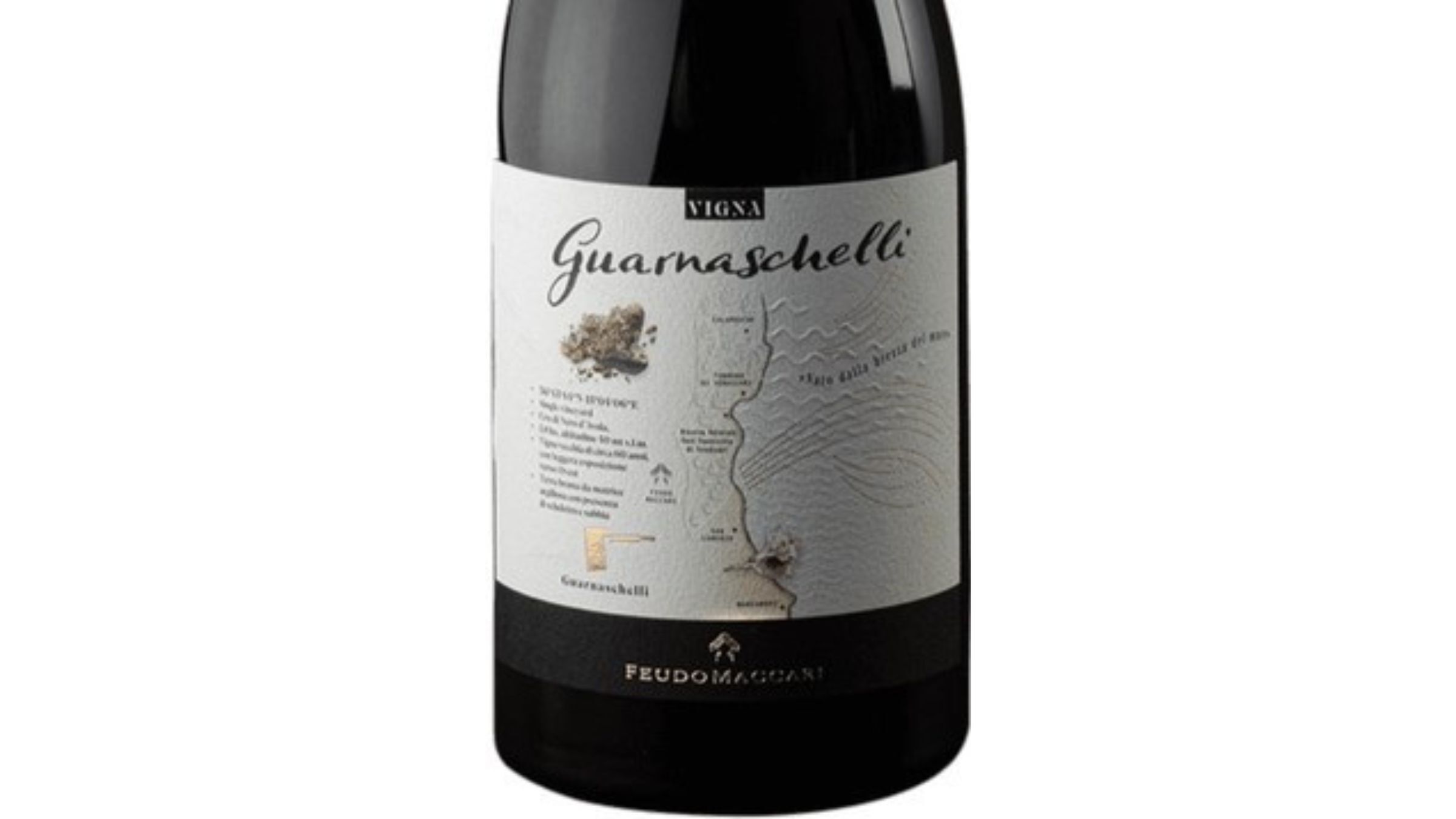
Sicily’s Ancient Grapes at the Center of Modern Wine
The island is recreating Italian wine in action. The ancient vines, volcanic soils, and a generation of winemakers who are ready to undertake experiments have produced wines that are capturing the hearts of wine-lovers around the world.
In case you would like to go on a journey, WHWC has a great selection of Sicilian wines and is a great place to start.