
Dec 26th 2025
The Legacy of Sangiovese: Tuscany’s Bold Grape and Its Global Impact
Sangiovese is one of the rare grapes that reflects its landscape with absolute clarity. Each bottle carries the imprint of Tuscany’s hills, soils, and traditions, whether the style leans rustic, refined, or boldly modern. This blog explores the grape’s origins, its signature flavors, the regional expressions that shaped Italian wine culture, and the global impact that continues to grow. If you want to understand why Sangiovese remains Tuscany’s defining legacy, this overview is your starting point.
The Origins of Sangiovese: A Grape Rooted in Ancient Tuscany
Long before Sangiovese became the heart of Italy’s great reds, it was simply a wild vine growing across the Tuscan hills, tended quietly by the Etruscans. Its name, “Sanguis Jovis,” or Blood of Jupiter, is a small detail we still appreciate because it shows how deeply this grape belongs to the region’s past.
Over time, growers learned how well Sangiovese responds to different soils. Galestro brings freshness, alberese adds structure, sandstone softens the edges, and clay adds depth. We notice these shifts every time we taste side by side, and it explains why sangiovese spread so widely. It adapts easily yet never loses its character.
Sangiovese’s Core Flavor Profile: What Does It Taste Like
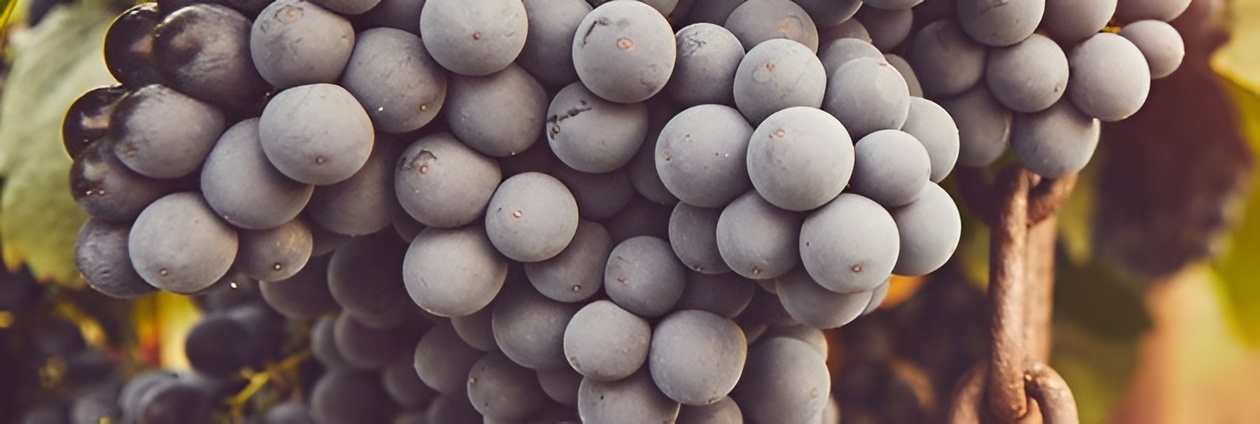
Sangiovese consistently shows a core profile: sour cherry, red plum, dried herbs, and occasional violet tones. Its bright acidity and steady tannins create a balanced, medium-bodied structure.
With age, it shifts toward balsamic, leather, and tea-leaf complexity. These differences become more distinct when tasted across regions.
Tuscan Wines: How Sangiovese Shapes the Region’s Identity
Each major Tuscan appellation expresses a different side of the grape, creating a landscape of styles that range from bright and rustic to deeply structured and age-worthy.
Chianti and Chianti Classico: Rustic to Refined
Chianti is where many people first meet Sangiovese. It had a bright cherry, gentle spice, and a touch of balsamic. Chianti Classico, sourced from the hills between Florence and Siena, delivers a more focused and layered style.
Riserva and Gran Selezione push those traits further with darker fruit, firmer structure, and real aging potential. This spectrum of styles is why Chianti Classico appeals to both newcomers and collectors.
Brunello di Montalcino: The Pinnacle of Sangiovese
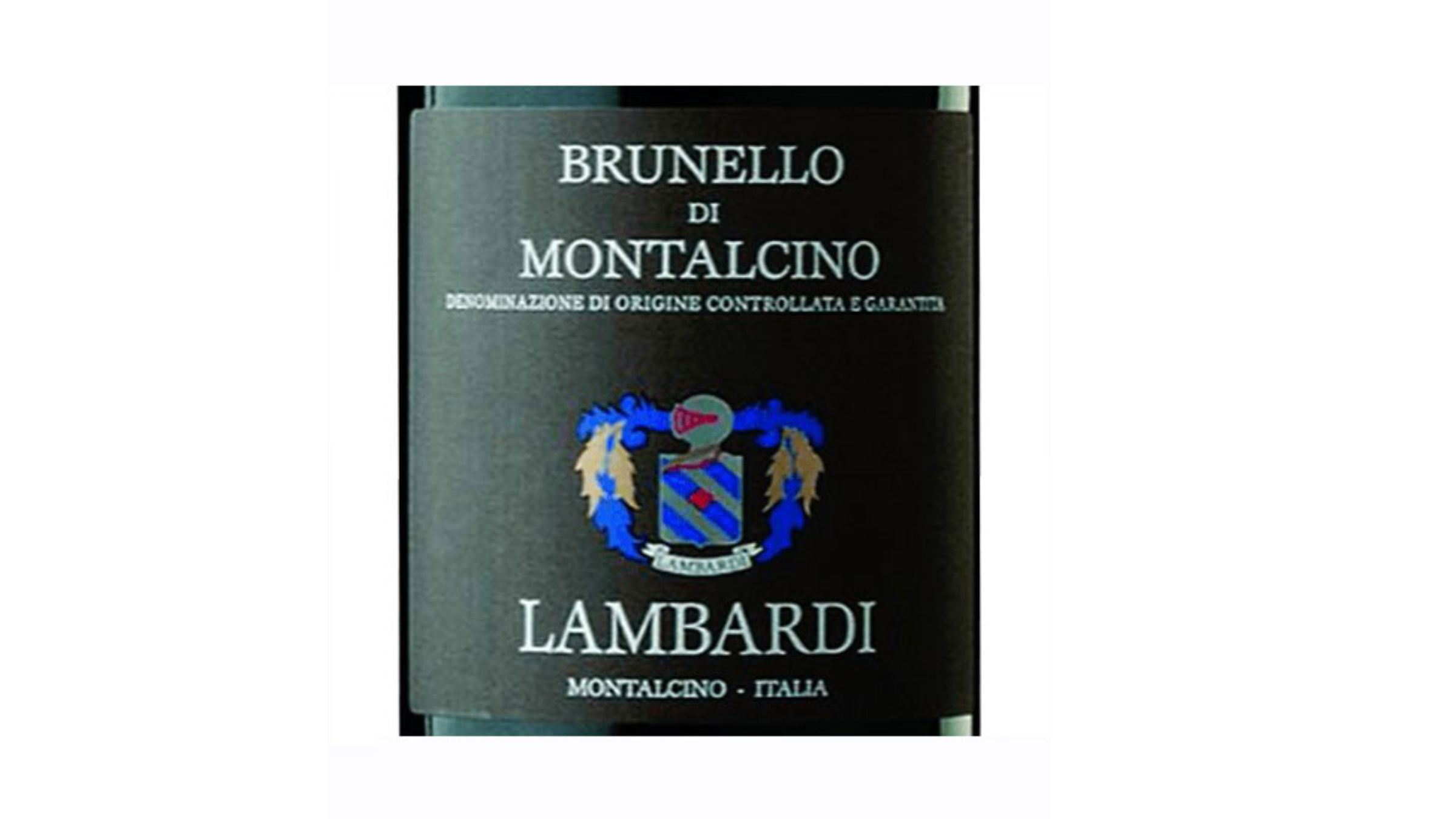
Brunello is pure sangiovese from Montalcino’s exclusive Brunello clone. It's long; legally required aging builds power, depth, and refinement. It remains one of Italy’s most age-worthy wines, evolving into layered, expressive complexity over time.
Vino Nobile di Montepulciano: Elegance and Balance
Vino Nobile offers a softer, more floral expression of sangiovese. It shows elegance while still holding structure, and the region has seen a recent revival focused on purity and balance. This style is a strong fit for drinkers seeking refinement without excess weight.
Super Tuscans: Sangiovese Meets Bordeaux
Super Tuscans changed the global wine conversation in a way few regions ever do. These wines broke away from the usual rules, blending sangiovese with international varieties and releasing them outside the traditional DOCG system. That leap of confidence eventually helped lift Tuscany’s reputation around the world.
Many IGT Toscana wines still carry that same spirit, combining the Italian backbone of sangiovese with broader influences that add richness, depth, and a touch of modern character.

Istine Chianti Classico Gran Selezione Vigna Casanova dell'Aia 2022
Sangiovese from Tuscany, Italy


Siro Pacenti Brunello di Montalcino Pelagrilli 2020
Sangiovese from Tuscany, Italy
Sangiovese Beyond Tuscany: The Grape Goes Global
Tuscany will always be home, but Sangiovese has traveled far. Emilia Romagna makes fruitier, softer versions suited to easy weeknight meals, while Umbria leans darker with firmer tannins. Outside Italy, the range widens even more. We have tasted expressive wines from California’s Central Coast, a structured style from Washington, and ripe, generous versions from Australia. Argentina adds warmth and plush fruit.
Climate shapes everything. Warm regions create rounder fruit and softer tannins, while cooler areas hold herbal notes and higher acidity.
Food Pairings: Why Sangiovese Works With Almost Everything
Our WHWC sommeliers often describe Sangiovese as one of the most food-friendly grapes we carry; its brightness and structure make pairing almost effortless. Its acidity and tannin make it a natural match for tomato pasta, pizza margherita, osso buco, Tuscan roasted meats, and aged pecorino.
Modern cooking stretches it even further. We enjoyed it with BBQ pork, lamb chops, herb-roasted chicken, mushroom risotto, and plenty of Mediterranean dishes built on olive, tomato, and basil. When people ask why it works with so many foods, we usually explain that the brightness cuts through richness, the tannins support proteins, and the savory notes slide easily into herbal recipes.
Explore hand-selected Sangiovese bottles curated by the Woodland Hills Wine Company team.
Cellaring Potential: Which Sangiovese Wines Age Best
Some Sangiovese drinks beautifully when young, but many styles grow more interesting with age. Brunello can last 20 to 30 years, Chianti Classico Riserva about 10 to 15, Vino Nobile eight to twelve, and structured Super Tuscans fifteen to twenty-five.
With time, the fruit softens, and notes of leather, dried flowers, and tea leaf emerge while the tannins smooth out. For proper storage, we keep bottles near 55 degrees Fahrenheit with steady humidity and low light since small steps make a big difference in preserving complexity.
Sangiovese: FAQs
1. Is Sangiovese a light or full-bodied wine?
It usually lands in the medium zone, though some styles feel lighter and others much deeper.
2. What is the difference between Chianti and Brunello?
Chianti shows bright cherry and gentle spice, while Brunello is more powerful and structured with longer aging.
3. Is Sangiovese always dry?
Almost always. It is traditionally made as a dry red wine.
Why Sangiovese Remains Tuscany’s Legacy and the World’s Treasure
From Brunello and Chianti Classico to Super Tuscans and modern New World styles, our team has gathered the bottles we trust most. Explore our full Sangiovese collection at WHWC and find the bottle that matches your style, whether you prefer Chianti’s brightness, Brunello’s depth, or a modern Super Tuscan.
Related Products
Monsanto Chianti Classico Gran Selezione Il Poggio 2020
Sangiovese from Tuscany, Italy

Fontodi Chianti Classico Gran Selezione Vigna del Sorbo 2021
Sangiovese from Tuscany, Italy