
Jan 30th 2026
The Color of Wine: Why Hue Reveals More Than You Think
The first thing we notice when wine is poured is not aroma or flavor, it is the way light passes through the glass and settles into a shade that feels calm, vivid, or deep. Before we swirl or sip, our eyes are already gathering information. We may not always name it, but color shapes expectation in a quiet, powerful way.
Wine color is not surface level detail. It comes from real decisions, real grapes, and real time spent aging. Once we learn how to read it, tasting feels less abstract and more grounded. Confidence grows without trying too hard.
In this blog, we share how color forms, what different shades suggest, and how noticing hue can quietly build confidence at the table.
What Is Wine Color and Where Does It Come From?
Wine color begins with grape skins. Most grape juice is clear, even when the skins are dark. Color appears when juice spends time in contact with the skins during winemaking. How long that contact lasts matters more than people realize.
In red wine, skins stay with the juice during fermentation, sometimes briefly and sometimes for extended periods. That contact extracts pigment, tannin, and texture. In white wine, the skins come off almost right away. That early separation keeps the color pale and the texture gentle. Even a few extra hours can quietly deepen the shade more than you might expect.
Winemaking choices continue to shape color long after fermentation ends. How the grapes are pressed, where the wine rests, and how much air it meets all leave their mark. With time, even sealed bottles slowly shift. Reds ease from purple into garnet and brick. Whites move from pale straw toward gold. None of this is a flaw. It is wine doing what wine does.
Red Wine Color: What Different Shades Tell You
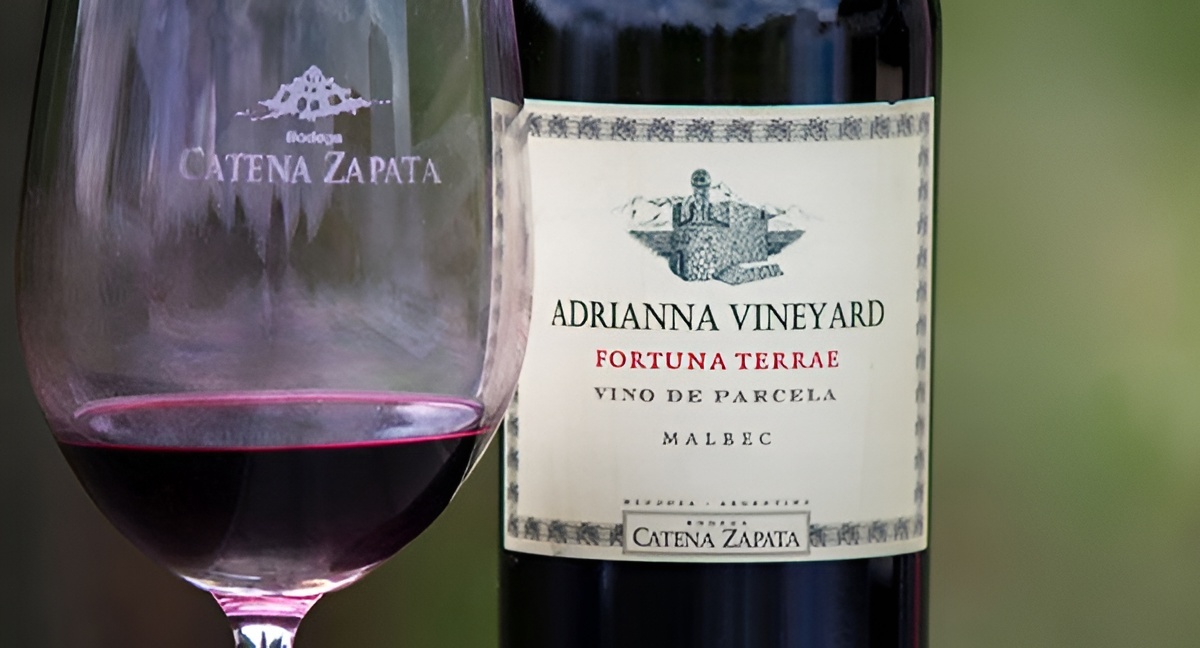
Red wine color gives you a quiet hint about structure and style. It never tells the full story, but it shapes expectations before the glass even reaches your lips.
Light Ruby to Pale Red
Lighter shades often suggest higher acidity and softer tannins. These wines feel bright and open, not heavy. Flavors come through clearly, with a natural flow that makes each sip feel easy.
Common wine tasting notes include cherry, cranberry, rose petal, and gentle herbal tones. These wines usually feel energetic and food-friendly.
Medium Ruby to Deep Garnet
Medium shades suggest balance and sit between freshness and depth. These wines bring fruit, structure, and a touch of age without pulling too hard in any one direction.
Wine tasting notes often lean toward ripe red fruit, baking spice, dried leaves, and soft earth. The tannins show up, but gently, giving shape without adding weight.
Deep Purple to Opaque
A very dark color often points to concentration or youth. Thick grape skins, longer extraction, or limited aging can all affect how deep the wine appears.
These wines often feel bold at first. Tannins are firmer, and flavors lean toward dark notes like blackberry, plum, cocoa, or graphite. With a bit of time, that intensity tends to relax and fall into place.
How Age Changes Red Wine Color
Young red wines tend to show brighter hues with purple edges. As they age, those edges fade and turn garnet or brick. The change comes from slow oxygen contact and natural reactions inside the bottle. It does not mean the wine is fading; it means it is evolving.
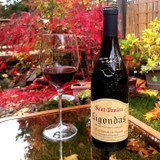
Browse through Woodland Hills Wine Company's red wine collections now.

Le Pupille Maremma Toscana Saffredi 2022
Cabernet/Bordeaux Blends from Tuscany, Italy


López de Heredia Rioja Viña Tondonia Reserva 2012
Tempranillo/Tinto Fino from Rioja, Spain
White Wine Color: From Pale Straw to Deep Gold
White wine color shifts in quieter ways, but if you slow down and really look, it still has a clear story to tell.
Very Pale Straw or Clear
Very light color usually indicates freshness and high acidity. These wines often feel crisp and linear, with a clean finish. These wines often show citrus, green apple, and clean mineral notes, and tend to shine when enjoyed young and served well chilled.
Straw to Yellow Gold
Deeper straw tones often point to riper fruit or sometimes spent aging. These wines tend to feel fuller and more textured in the glass. Tasting notes may include pear, stone fruit, melon, or light honey. The mouthfeel usually feels rounder and more settled.
Deep Gold or Amber
A deep gold color often indicates extended aging, oak influence, or controlled oxidation. These wines can feel layered and complex. Flavors often move toward nuts, baked apple, dried fruit, and warm spice. These wines ask you to slow down and take your time with them.
Why White Wines Darken Over Time
White wines darken as oxygen slowly interacts with natural compounds over time. Fresh wines keep their brightness. Aged wines let go of that clarity in favor of depth. Neither is better by default. They just offer different experiences.
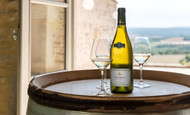
Go through our curated selection of white wine and shop for your favourites.

Bouzereau/Michel Meursault 1er cru Charmes-Dessus 2023
Chardonnay from Meursault, Côtes de Beaune, Burgundy, France

Billaud/Samuel Chablis 1er cru Mont de Milieu 2023
Chardonnay from Chablis, Burgundy, France

Billaud/Samuel Chablis 1er cru Les Fourneaux 2022
Chardonnay from Chablis, Burgundy, France
Rosé Wine Color: Why Pink Shades Matter
Rosé wines range in color from pale blush to deep salmon. The shade mostly depends on how long the juice stays in contact with the skins.
Lighter rosés usually have bright acidity, subtle fruit, and a delicate, refreshing feel. Darker rosés tend to be heavier and more structured, sometimes feeling closer to red wine.
Wine tasting notes shift with color depth, moving from citrus and strawberry toward raspberry, spice, or savory notes as color deepens.
Shop the Rosé wine from Woodland Hills Wine Company.
Sparkling Wine Color: What to Look For
Sparkling wines often appear pale, which usually signals freshness and precision. Over time, gold tones may emerge as the wine ages.
Bubbles affect visual perception, lifting brightness and softening color. The interaction between foam and light makes sparkling wines appear lighter than they truly are. Go through our curated range of sparkling wines and pick one for your cellar now.
How Wine Color Helps You Predict Taste
Wine color indicates body, tannin, and acidity. Deeper color may indicate intensity, but it does not guarantee heaviness. Lighter wines can still feel powerful when acidity or structure does the work.
Color is most effective as a guide, not a rule. It sets expectations while still leaving room for surprises.
Learn How to Identify the Color:
Look through the wine by tilting the glass at an angle over a white surface. Observe how light passes through it, how clear it appears, and how the color shifts close to the rim.
Professionals preserve these observations in wine tasting notes to capture the wine's presentation at that precise moment. Over time, perception becomes sharper when written down.
Also, remember, darker wine is not always better. White wine can age just fine. Color alone does not define quality. These ideas stick around because color feels obvious, but wine runs deeper than what you see in the glass.
FAQs: Wine Color Explained
What does wine color tell you?
It hints at grape variety, age, structure, and style.
Does wine color affect taste?
It shapes expectations, which can influence perception.
Why does wine change color as it ages?
Slow oxidation alters pigments over time.
Is darker wine stronger?
Not always. Strength depends on alcohol, structure, and balance.
Let the Color Guide, Not Decide
Wine color is a beginning, not a verdict. When we notice it without judgment, tasting becomes more relaxed and intuitive. At Woodland Hills Wine Company, we see how learning these small cues helps people trust their palate more, whether they are browsing online or standing at the shelf.
Explore wines across every shade and style at WHWC and start noticing how much the color in your glass is already telling you before the first sip.